Team Decision Integrity Sessions
Improving collective decision performance in complex, high-pressure environments
Workshops are designed for teams operating in environments where decisions are interdependent, time-sensitive, and consequential.
The focus is not on communication or team dynamics in isolation—but on how decisions are actually made under pressure, and how breakdowns in judgement occur across a group.
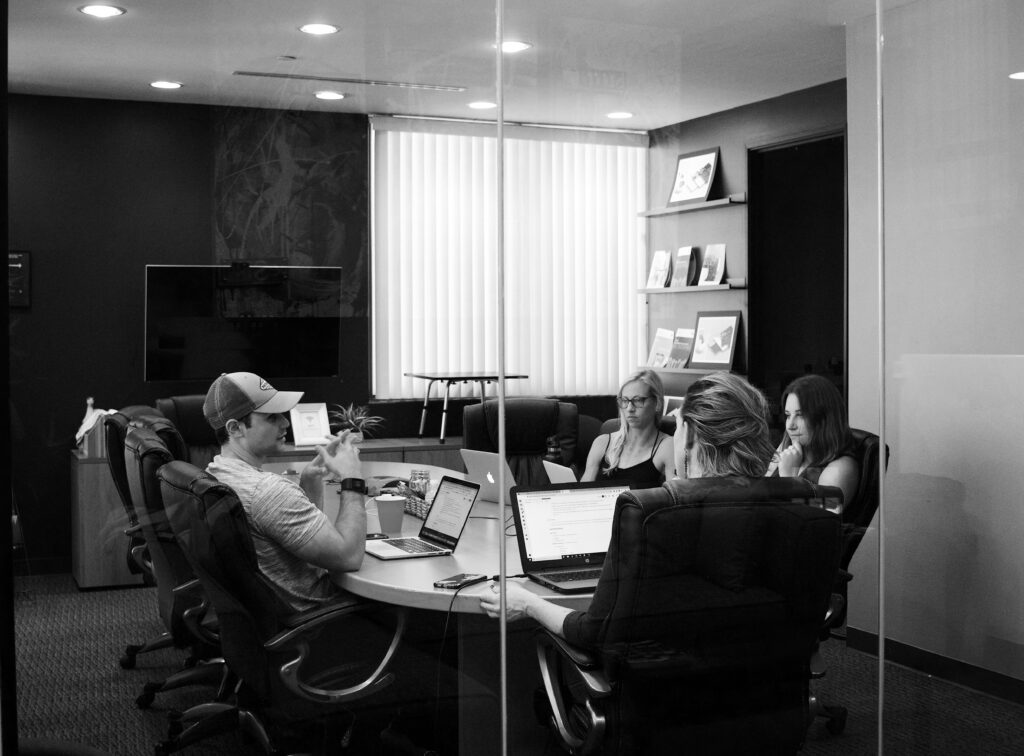
Who This Is For
Leadership teams
Operational teams
Cross-functional groups working in complex environments
This work is most effective with teams prepared to examine how decisions are actually made—not how they are assumed to be made.
It is most relevant where:
- decisions are shared or interdependent
- pressure is sustained or escalating
- misalignment introduces risk
What We Work On
Workshops focus on how decision performance functions at a team level:
- How situations are collectively interpreted
- Where misalignment emerges under pressure
- How premature or fragmented decisions occur
- How clarity and restraint can be maintained across a group
The objective is not more discussion—but more consistent, aligned, and disciplined decision-making under pressure.
How Workshops Work
Workshops are structured, practical, and grounded in realistic decision contexts.
They typically involve:
- Case-based exploration of high-pressure scenarios
- Group analysis of decision pathways and breakdown points
- Identification of patterns in perception, interpretation, and action
- Application of the Stillness & Strength framework to improve shared judgement
Participants engage directly with real decision dynamics—this is active, not passive, work.
Format
- Small group sessions (typically 4–10 participants)
- Delivered in-person or via video
- Half-day or full-day formats (depending on context)
- Structure tailored to the team’s operating environment
Workshops are designed to reflect the actual decision pressures and coordination demands of the team.
Why This Matters
In complex environments, decisions are rarely made in isolation.
Breakdowns at the team level lead to:
- misalignment in interpretation
- uncoordinated or premature action
- escalation driven by pressure rather than clarity
- avoidable operational error
Improving how teams perceive, align, and act under pressure increases consistency, reduces risk, and strengthens collective judgement when it matters most.
The Framework
This work is guided by the Stillness & Strength framework—a structured system for improving how situations are interpreted, decisions are aligned, and action is coordinated under pressure.
Engagement
If this is relevant to your team or organisation, you’re welcome to get in touch.
Initial conversations are used to understand your context and determine how this work can be applied most effectively.